Zines are art and literature – and journalism.
If you don’t know what zine is, we like the Wikipedia explanation. To recognize the best nonfiction ones, we’ve recruited judges from all three disciplines. We’ve also partnered with three organizations, and their support means ZinePrize is free to enter.

ZinePrize is sponsored by the Society of Professional Journalists, Microcosm Publishing, and Associated Collegiate Press. Among their members are artists, advisers, writers, reporters, photographers, editors, and publishers.

How it works
ZinePrize is a People’s Choice hybrid: The public nominates the entries, but SPJ, CMA, and ACP judges choose the winners. Goes like this…
- Anyone can nominate an entry. That can be the zine publisher, an impressed reader, or even the publisher’s mom. You don’t need permission from the author or the media outlet.
- It costs nothing to submit a nomination. And you can do so anonymously if you’re paranoid or wanted by the law.
- The number of times an entry is nominated means nothing. In fact, we won’t tell the judges how often an entry was nominated. So no need to stuff the ballot box.
- All entries must be in English or have a translation available.
How to win
- All entries must have been published in the 2025 calendar year.
- Your zine must have physically existed in print, even if it’s just a handful of copies – but no more than 1,500. We don’t want corporate zines, because they aren’t really zines, are they?
- No advertising. Ads make you a magazine beholden to The Man. Public service announcements are OK, though. We’re not heartless.
- Deadline for entering is March 1, 2026. Did we mention it’s free?
- See the categories below. The winners of each category will then be judged against each other for Best Overall Zine. (Think of it like a Westminster dog show, where the best poodle, hound, and terrier compete for that blue ribbon.)
- How will the judges decide? Everything matters, from spelling to following the SPJ Code of Ethics. Judges will read everything and meet on hourlong Zoom calls to argue with each other.
- Winners receive a nifty certificate, but the Best Overall Zine also gets $500 cash.
Categories
We’re keeping it simple for our first year, so we don’t screw it up…
1. Best Visual Zine
Art, photo, and comic zines. But you need enough words to explain what we’re looking at. And there needs to be a point, because otherwise, it’s just pretty pictures.
2. Best News Zine
Everything from national politics to local problems. Your facts need to be accurate and your opinions need to be interesting, amusing, and/or thought-provoking.
3. Best Feature Zine
Music, food, fashion, culture, coin collecting, whatever. Just have something to say about these topics that’s wholly your own.
Who we are
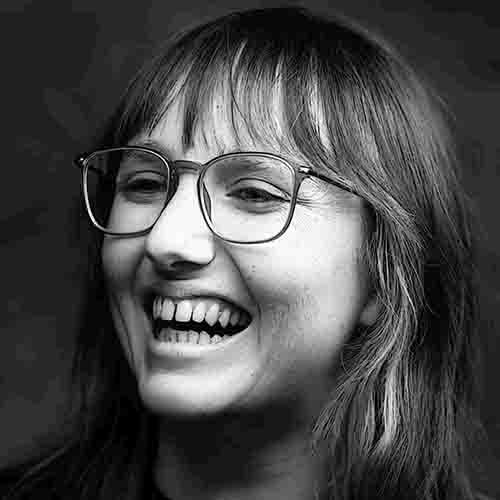
Sarah Bennett is a journalism professor at Santa Ana College and co-founder of the Long Beach Zine Fest. She was the longtime design director of L.A. Record, a founding editor of Beer Paper L.A. a food editor at L.A. Weekly, and managing editor of the inaugural issue of theLAnd Magazine. She runs the community print shop and zine library at Place Long Beach and has self-published dozens of personal zine titles under her own small press, Cerebellum Studios.
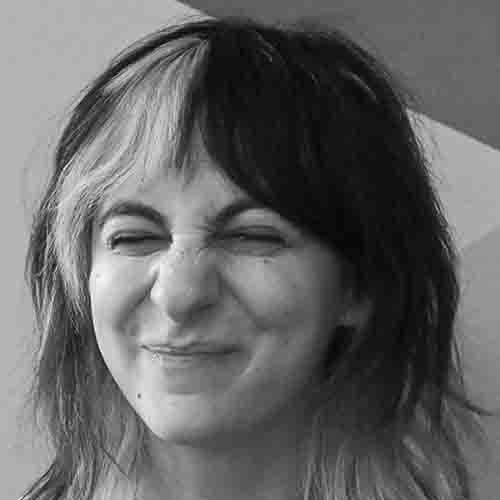
Emily Bloch covers national trending news for the Philadelphia Inquirer. She’s immediate past president of the Society of Professional Journalists, tied for the youngest in its 116-year history. She has freelanced for Teen Vogue, Cosmopolitan, Eater, and USA Today, to name a few. She grew up reading zines within her local punk scene and has taught zine-making classes.

Michael Koretzky started two zines that morphed into alternative newspapers, selling the first to the Tribune Company and the other to the one-armed heir of the Listerine fortune. He’s reported for The New York Times, designed for the National Enquirer, and been managing editor of the world’s largest jazz magazine, which you’ve never heard of because it’s jazz.
Questions? Comments? Criticism?
 ZinePrize